
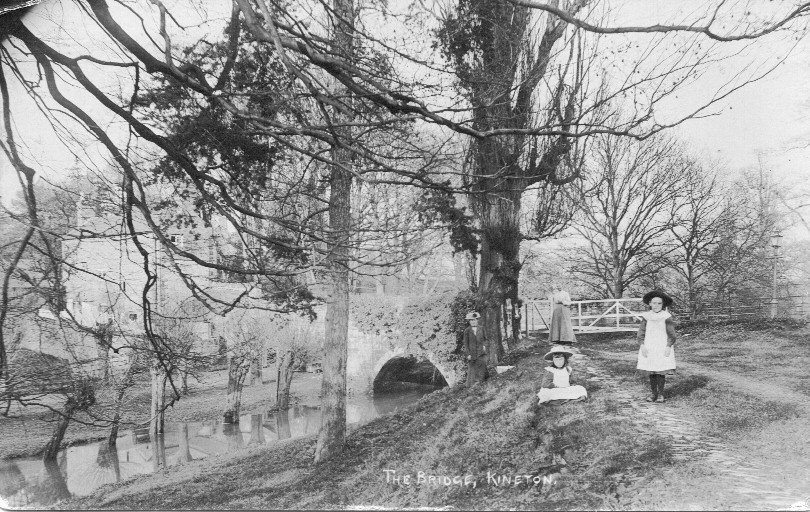
The Bridge, Kineton
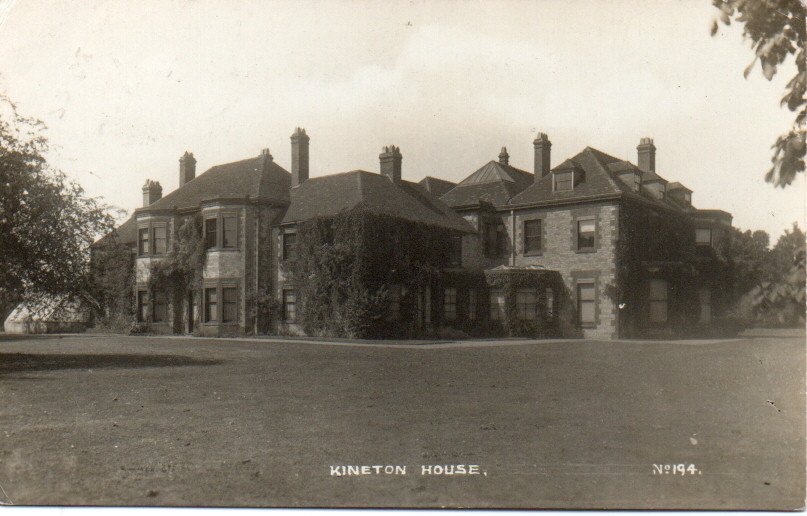
Kineton House
Collecting the Past: Kineton, Warwickshire on Vintage Postcards
Nestled along the River Dene in south-east Warwickshire, the historic village of Kineton (historically and frequently found on early cards as Kington) holds a unique place in English heritage. For postcard collectors, local history enthusiasts, and ephemera investors, Kineton offers a fascinating window into a quintessential Warwickshire settlement rich with royal charters, Civil War echoes, and rural charm.
Whether you are looking to build a targeted topographical collection or investing in undervalued Warwickshire deltiology, Kineton postcards provide a wonderful mix of historical depth and steady market appeal.
A Village Etched in History
To understand the appeal of Kineton postcards, it helps to know the landscape depicted on them. Documented as far back as 969 AD and recorded in the Domesday Book, Kineton’s roots run deep.
Royal & Civil War Connections: On the outskirts of the village lie the earthworks of King John’s Castle, a 13th-century motte-and-bailey site. Crucially, Kineton sits just a few miles from the site of the Battle of Edge Hill (1642), the opening clash of the English Civil War. Prince Rupert famously looted the village during the campaign, and King Charles later met Queen Henrietta Maria here in 1843.
The Architecture: Postcards frequently highlight the village’s historic core, including the medieval tower of St Peter’s Church (consecrated in 1315), charming 17th-century vernacular architecture, and the distinctive 18th-century stone windmill standing proudly at Pittern Hill.
What to Look for: Key Kineton Postcard Themes
When hunting for Kineton cards for your collection or portfolio, keep an eye out for these sought-after categories:
Real Photographic Postcards (RPPCs): Early-to-mid 20th-century RPPCs depicting street scenes, local villagers, village shops, and the old Market House site command the highest interest. Look for crisp details of village life before widespread automobile use.
The Battle of Edge Hill & Monument Views: Postcards featuring the Edge Hill tower, local commemorative monuments, and surrounding battle landscapes are heavily collected by military history enthusiasts alongside local topographers.
St Peter’s Church and King John’s Castle: Architectural cards published by classic early 20th-century printers (such as Valentine’s, Frith, or local stationers) offer aesthetic appeal and consistent collector demand.
Written Ephemera & Postmarks: Cards bearing early 1900s cancellations from the Kington, Warwickshire post office add an extra layer of historical provenance, particularly if the message references local events or weather.
Investment Potential: Why Kineton is a Smart Niche
While major tourist hubs like Stratford-upon-Avon or Warwick dominate bulk Warwickshire postcard sales, smaller village locations like Kineton represent a lower-supply, stable-demand market segment.
Scarcity Factor: Because Kineton was a smaller rural village compared to its bustling neighbors, fewer photographic postcards were printed and distributed. Scarce local print runs mean unique street scenes rarely flood the market, helping protect their long-term value.
Niche Cross-Over Appeal: Kineton postcards appeal to multiple distinct collector pools simultaneously: Warwickshire local historians, English Civil War memorabilia collectors, and windmill/architecture enthusiasts.
Accessibility: Entry prices for rural topographical cards remain reasonable compared to major cities, making it an excellent category for building a curated, high-upside collection without a massive initial outlay.
Collector’s Tip for Your Portfolio
When evaluating a Kineton postcard for purchase, always check the reverse. Cards that are posted with legible contemporary messages and clear postmarks often tell a richer social history story than unused mint copies, making them particularly attractive to advanced deltiologists.
Explore the gallery below to view our current inventory of Kineton postcards available for acquisition, and secure a tangible piece of south Warwickshire’s vibrant past for your collection today!