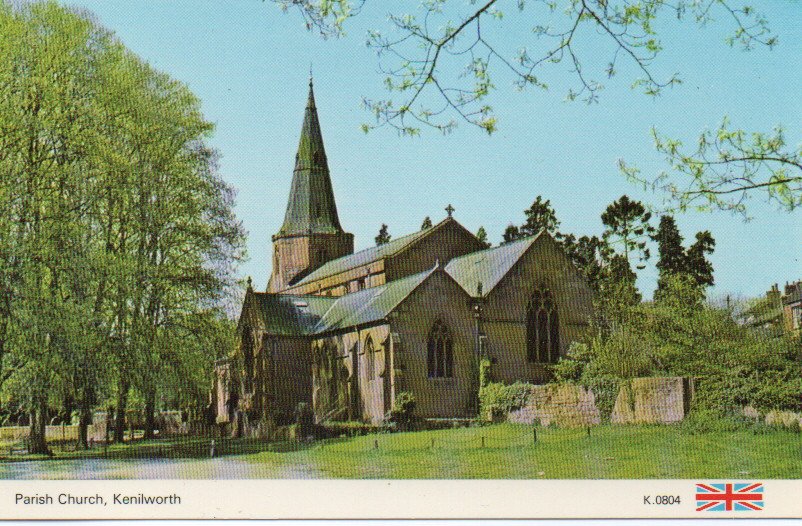
St Nicholas Parish Church, Kenilworth
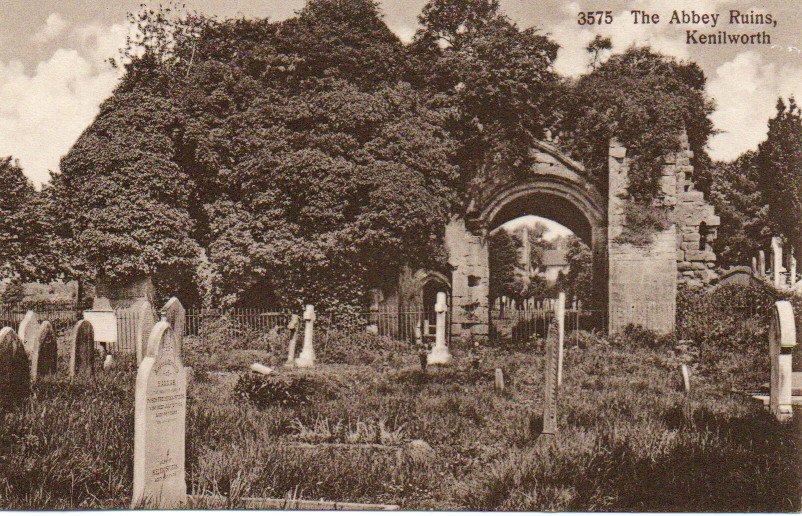
Abbey Ruins
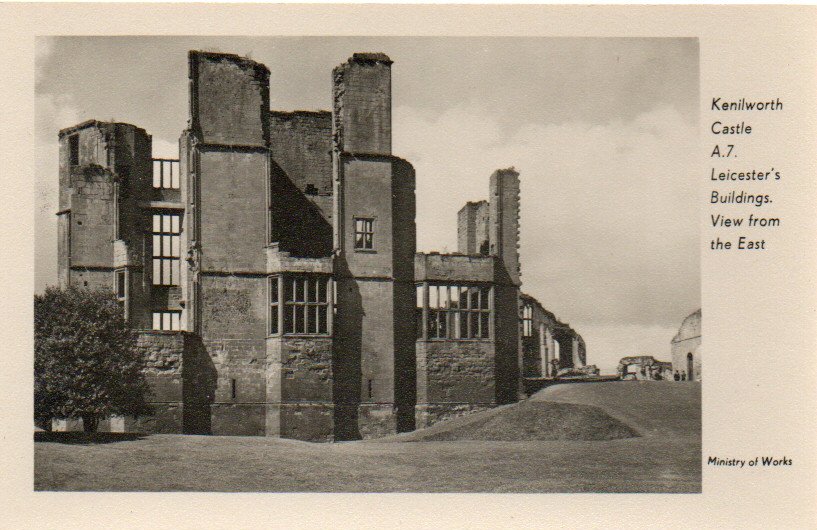
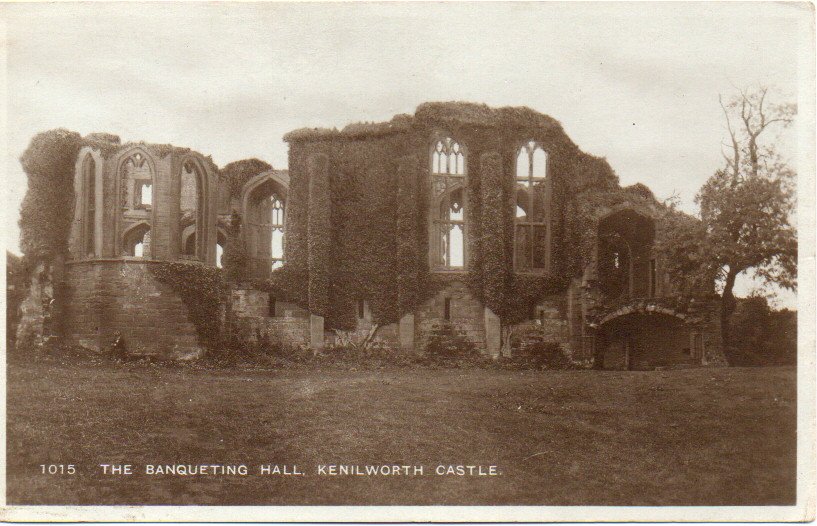
Kenilworth Castle
The Banqueting Hall, Kenilworth Hall
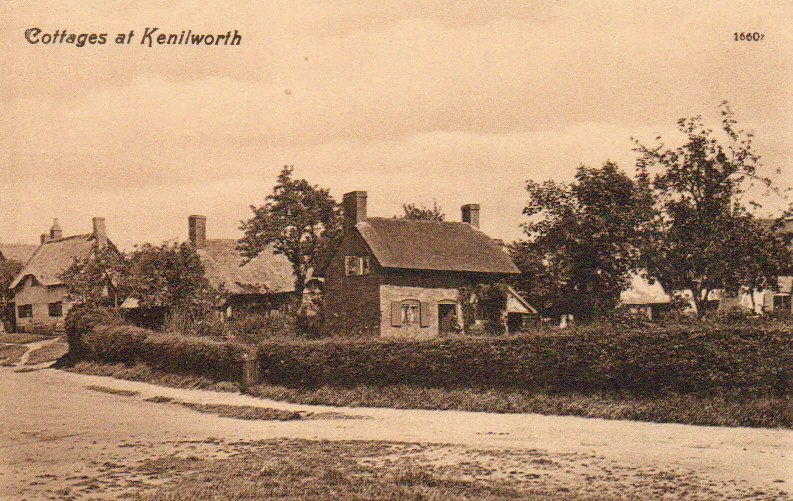
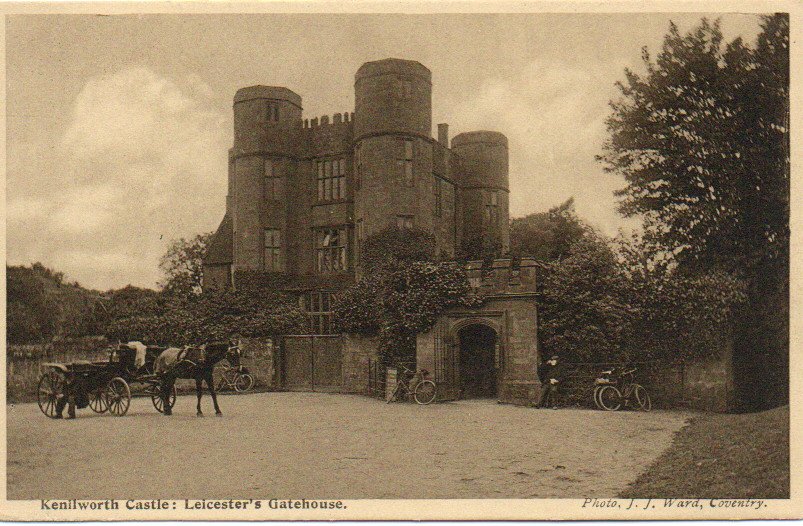
Cottages at Kenilworth
Kenilworth Castle, Leicester’s Gatehouse
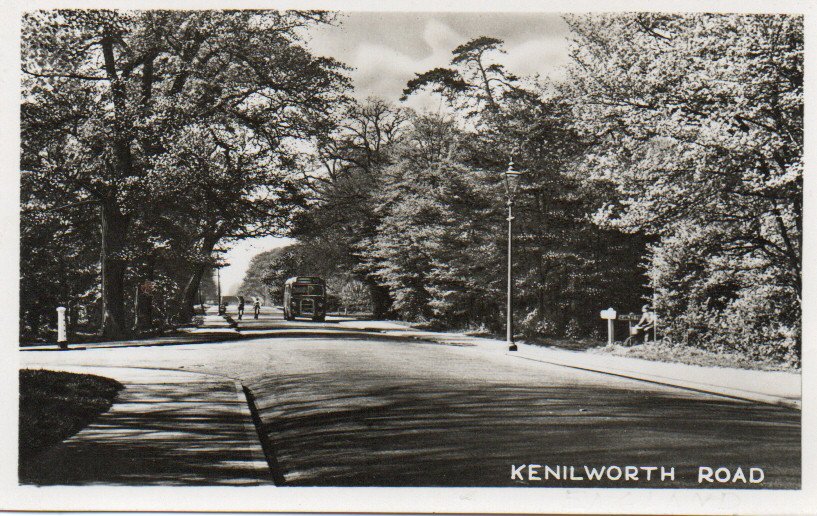
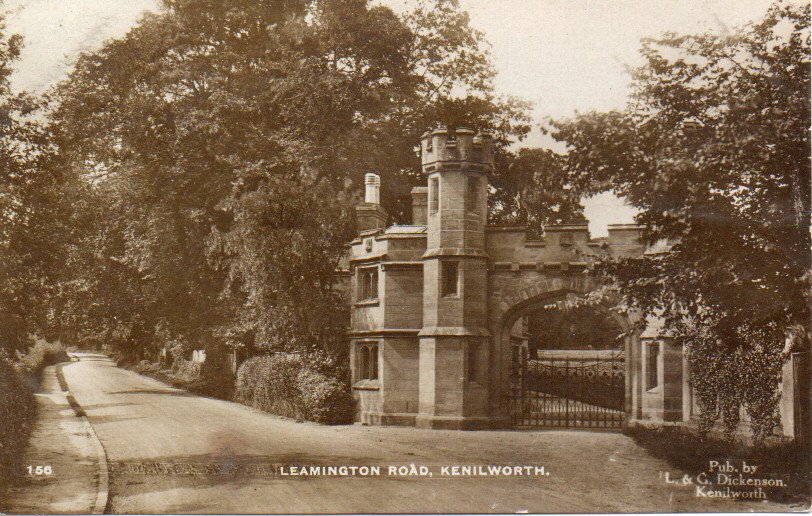
Kenilworth Road
Leamington Road, Kenilworth
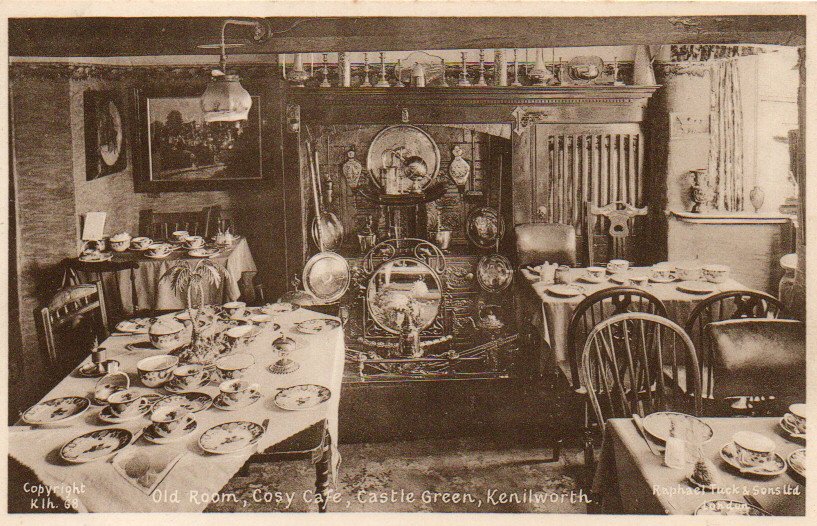
Old Room,Cosy Cafe, Castle Green, Kenilworth
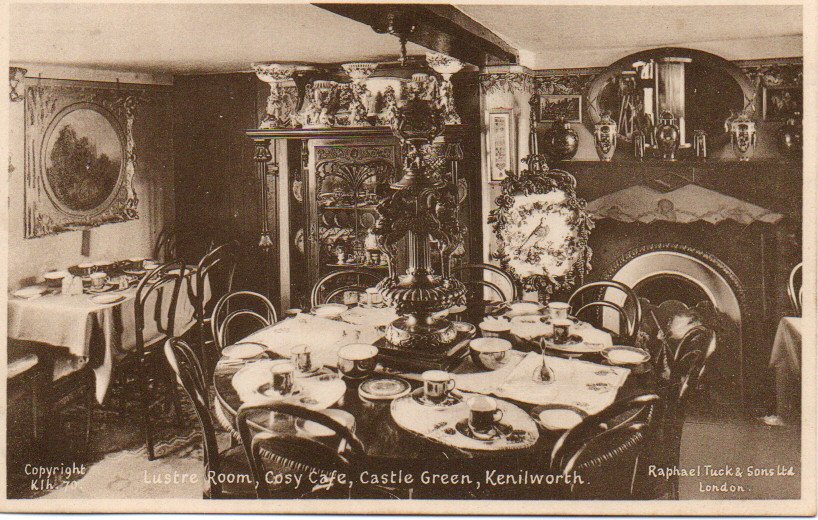
Lustre Room, Cosy Cafe, Castle Green, Kenilworth
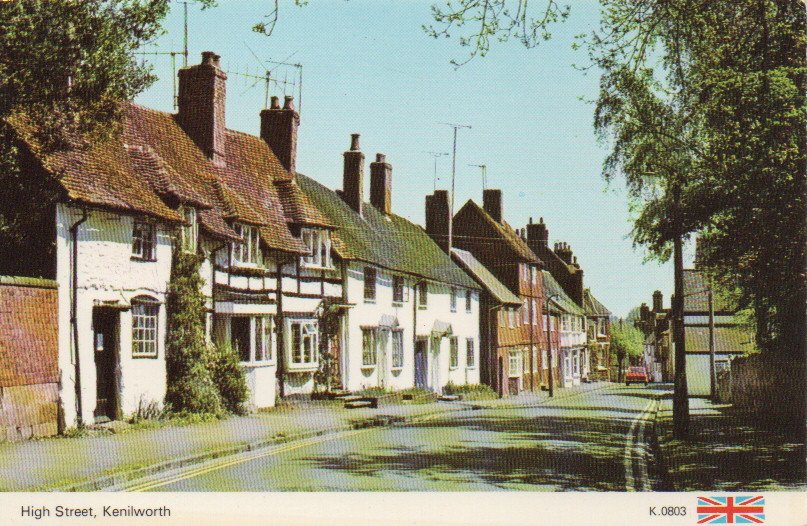
High Street, Kenilworth
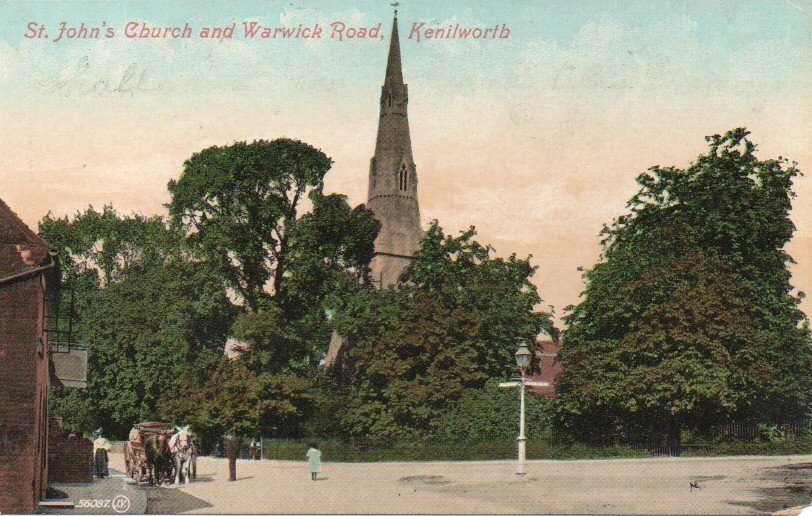
St. Joh’s Church and Warwick Road, Kenilworth
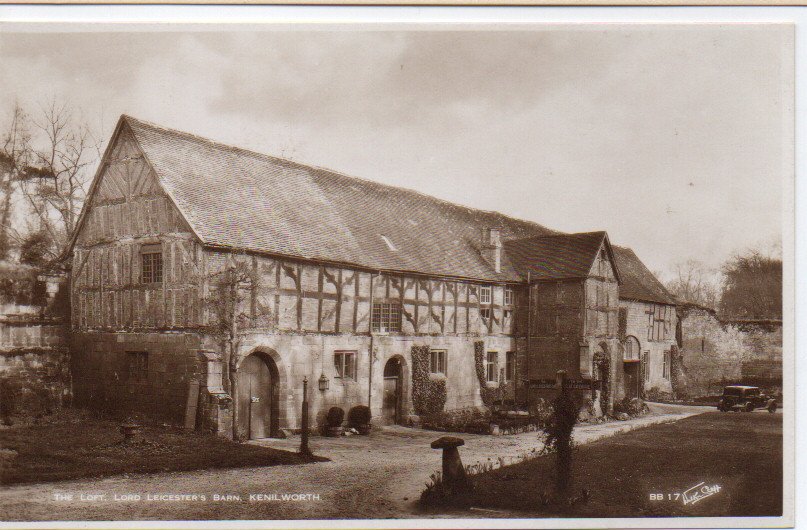
The Loft, Lord Leicester’s Barn, Kenilworth
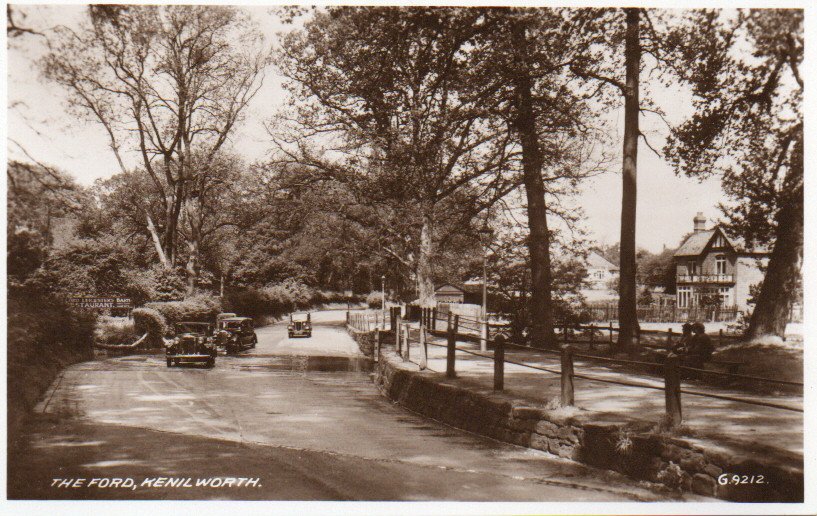
The Ford, Kenilworth
Capturing the Romantic Past: Kenilworth on Vintage Postcards
Few towns in Warwickshire evoke such instant literary romance, dramatic medieval history, and picturesque charm as Kenilworth. Famous worldwide for its majestic, ivy-clad castle ruins and the peaceful expanse of Abbey Fields, Kenilworth has long been a crown jewel for collectors of British topographical postcards.
For your collection or investment portfolio, Kenilworth postcards offer an extraordinary range. From Edwardian Real Photographic Postcards (RPPCs) of bustling street scenes to romantic color-tinted prints of the castle inspired by Sir Walter Scott, this Warwickshire market town is a goldmine for ephemera enthusiasts.
The Historical Canvas of Kenilworth
Before diving into the deltiology (postcard collecting), it helps to understand what drew early photographers and publishers to Kenilworth:
Kenilworth Castle: Originally founded in the 1120s by Geoffrey de Clinton, the castle transformed from a formidable medieval fortress—site of the famous, grueling six-month Siege of 1266—into a luxurious Elizabethan palace created by Robert Dudley, Earl of Leicester, to woo Queen Elizabeth I in 1575.
Sir Walter Scott’s Impact: Scott’s 1821 historical romance novel Kenilworth thrust the ruins back into the public imagination, turning the town into a mandatory stop for Victorian and Edwardian tourists, artists like J.M.W. Turner, and early postcard pioneers.
St Mary’s Abbey & Abbey Fields: The atmospheric ruins of the medieval Augustinian abbey, sitting right in the heart of the town’s public park, provided another favorite subject for romantic postcard framing.
Key Postcard Themes to Collect
If you are curating a section on Kenilworth for your postcard book or investment inventory, look out for these sought-after categories:
The Castle Ruins (Leicester’s Building & Mortimer’s Tower): Major publishing houses like Valentine’s, Frith’s, W.H. Smith & Son, and Raphael Tuck & Sons produced countless views of the castle. Look for cards showcasing the striking oriel windows, the Great Hall, and close-ups draped in heavy Victorian/Edwardian ivy.
Old Kenilworth Street Scenes & The High Street: Cards capturing “Old Kenilworth” (the historic area stretching from Abbey End up toward the castle) featuring horse-drawn carriages, early motorcars, local shopfronts, and traditional thatched or timber-framed cottages command strong collector interest.
Abbey Fields and St Nicholas Church: Peaceful pastoral views featuring the lake, the parish church, and the abbey fragments offer a softer, idyllic contrast to the imposing military architecture of the castle.
Real Photographic Postcards (RPPCs): Crisp, un-permissioned local snapshots taken by itinerant photographers—capturing local events, snow scenes, or crowds—tend to fetch higher premiums among advanced deltiologists due to their absolute scarcity.
Investment Value and Market Appeal
Kenilworth shares a regional spotlight with heavyweights like Stratford-upon-Avon and Warwick Castle, but it holds a distinct advantage for investors:
Built-In International Fame: Because of global readership tied to Sir Walter Scott’s novel and Victorian tourism trends, Kenilworth postcards were historically purchased and mailed all over the world, creating a healthy international secondary market.
Diverse Publisher Variety: The abundance of cards printed by both national giants and local stationers means collectors can choose to specialize—some collect purely by publisher (e.g., trying to complete a full Tuck’s “Kenilworth” Oilette series), while others focus strictly on chronological changes in the town’s layout.
Strong Liquidity: Topographical cards of major Warwickshire historic sites rarely sit stagnant. Their cross-over appeal—attracting medieval historians, castle enthusiasts, and literature buffs alike—ensures steady, long-term demand.
Collector’s Corner Tip
When hunting for investment-grade Kenilworth cards, pay close attention to the condition of the edges and the nature of the message. While pristine, unposted “mint” cards are wonderful for visual display, a card posted locally in the early 1900s with a clean Warwickshire cancellation stamp often adds a delightful layer of social provenance for a historical publication.